Decide to refinish or replace hardwood floors based on the depth of damage and your project budget; refinishing is more cost-effective for surface wear while replacement is necessary if structural damage exceeds 30 percent. Professional contractors can typically sand solid wood up to ten times, but floors that have become too thin or suffer from extreme movement require a full replacement.
Walking across your Fillmore home and noticing deep gouges, dull patches, or uneven boards can be disheartening. You want to restore that high end look, but you are likely torn between the dusty inconvenience of refinishing and the significant expense of a total replacement. This decision is not just about aesthetics; it is a long term investment in your property value. Choosing the wrong path could mean overspending on new planks when your current wood has years of life left, or conversely, wasting money on a sand and finish job for wood that is structurally compromised. In this guide, we will examine the critical factors that dictate your best move. We will explore the technical thickness test, analyze the cost differences for Millard County homeowners, and explain how our unique high desert climate influences the longevity of your hardwood.
Understanding the Difference: Refinishing, Resurfacing, and Replacement
Deciding whether to refinish or replace hardwood floors requires a clear understanding of what each process entails. In Fillmore, many homeowners use these terms interchangeably, but the technical requirements and outcomes differ significantly.
Resurfacing, often called a screen and recoat, is the least invasive option. This involves a light buffing of the existing topcoat to remove minor surface scuffs followed by the application of a fresh layer of polyurethane. It does not reach the wood itself, so it will not remove deep scratches or change the color of the floor. This is a maintenance step designed to prolong the life of the existing finish.
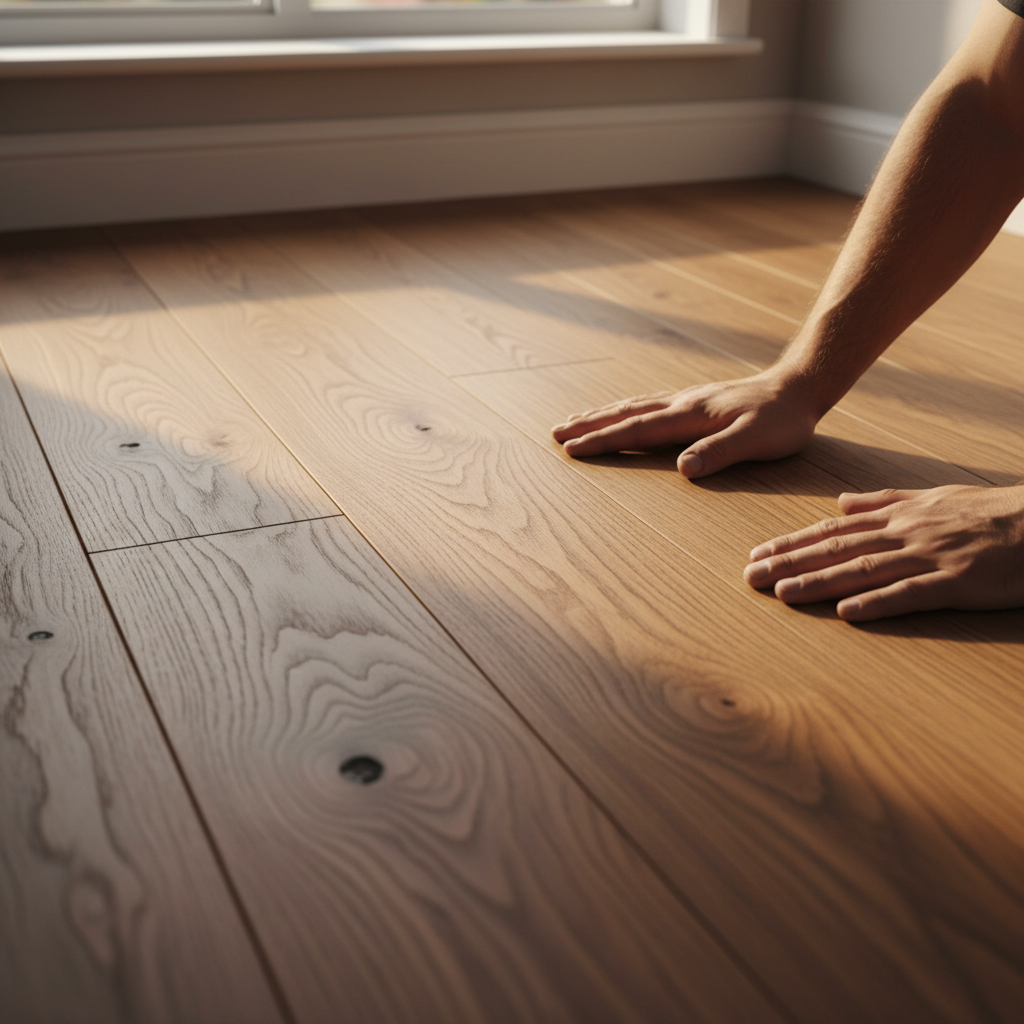
Refinishing is a much more intensive restoration. Our team uses professional grade sanders to remove the old finish and a thin layer of the wood surface until we reach bare, clean timber. This allows us to apply a new stain color and protective sealants. It is the primary method for restoring floors with deep scratches, water stains, or UV damage from the Utah sun.
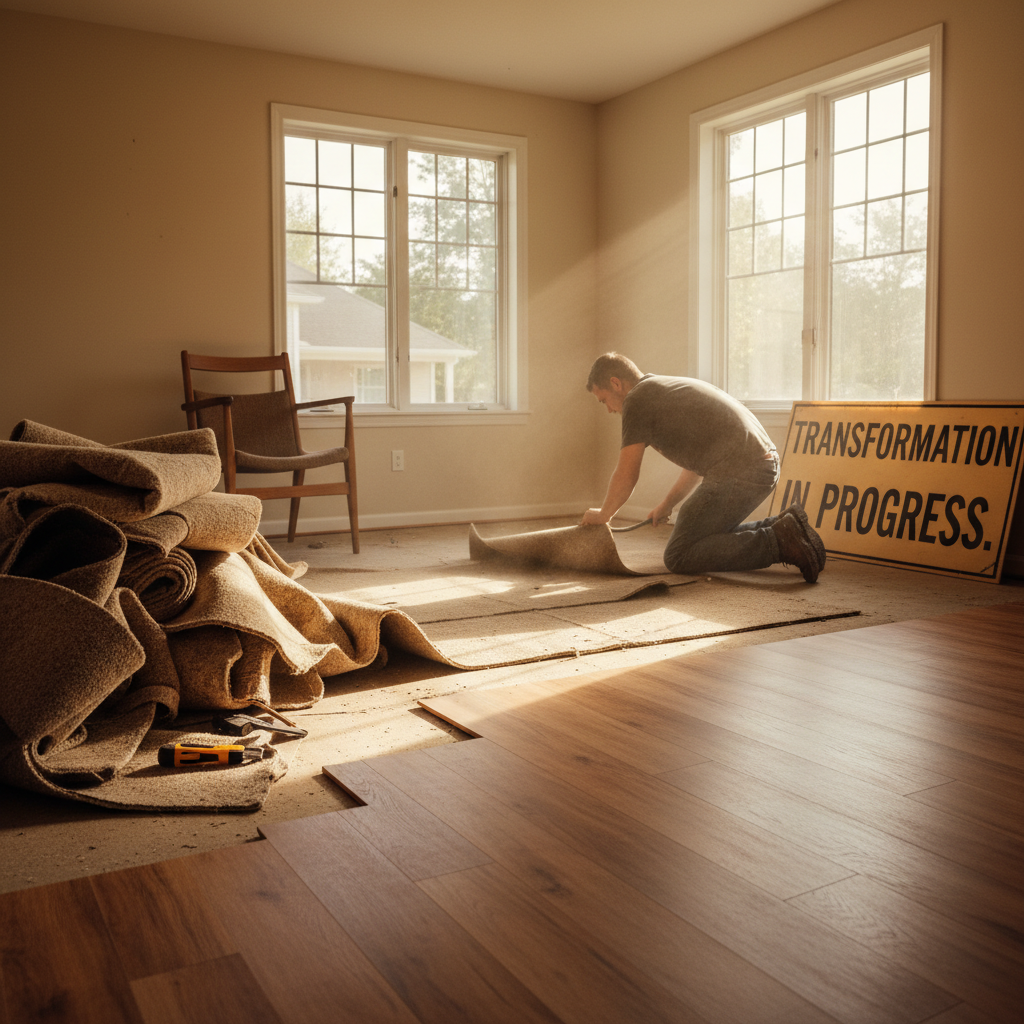
Replacement is a full tear-out of the existing material down to the subfloor. This is necessary when the wood is structurally compromised or when you want to change the species or plank width entirely. At Gobes Flooring, we specialize in the precision required for both detailed refinishing and structural professional installation and replacement.
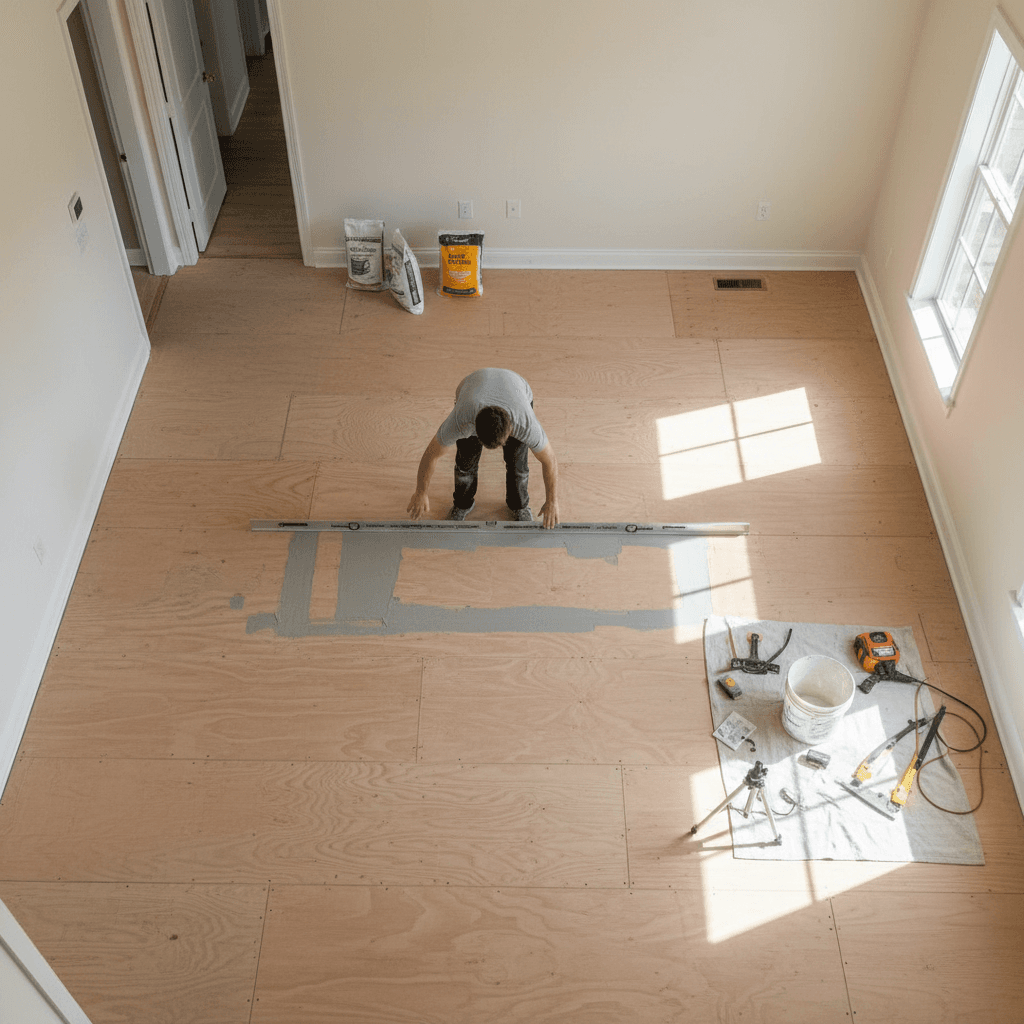
The type of wood also dictates your options. Solid hardwood, usually 3/4 inch thick, offers the most longevity for refinishing. Engineered hardwood, which consists of a real wood veneer over a plywood core, has a thinner wear layer that limits how many times it can be sanded. Ensuring proper Subfloor Preparation is critical during a full replacement to avoid the squeaks common in our dry Millard County climate.
Signs Your Utah Floors Just Need a Face Lift: When Refinishing Wins
Identifying when a floor is simply tired rather than expired can save Millard County homeowners significant time and money. Most visual issues that appear catastrophic are actually limited to the top few millimeters of the wood or the polyurethane seal itself. If the cumulative damage covers less than 30 percent of the total surface area, refinishing is almost always the superior technical and financial choice. This threshold ensures that the structural integrity of the wood remains the focus, while the cosmetic flaws are sanded away.
Common surface-level candidates for refinishing include: - Minor scratches from pets or moving furniture that have not pierced through to the subfloor. - General dullness and finish wear in high-traffic zones like entryways and kitchens. - Visible UV fading caused by the intense high-altitude Utah sun, which often leaves "shadows" where area rugs once sat. - Light water spotting that has only affected the finish without causing the wood to cup or swell.
The high-desert climate in Fillmore is particularly tough on finishes. Intense sunlight can make a floor look decades older than it is, but professional-grade sanding equipment can safely remove that oxidized layer to reveal fresh timber. This process is especially valuable for the historic homes found throughout Fillmore. These properties often feature old-growth wood with grain patterns that are difficult to replicate today. By choosing to refinish, you preserve that irreplaceable character while spending far less than the Flooring Installation Cost per Square Foot required for a complete overhaul.
When evaluating your own home, look for consistency. If the wood feels solid underfoot and the boards remain tightly joined without significant lifting, you are likely looking at a refinishing project. This allows you to update the stain color to a more modern palette while retaining the durability of your original investment.
When to Walk Away: Telltale Signs Your Hardwood Needs a Total Replacement
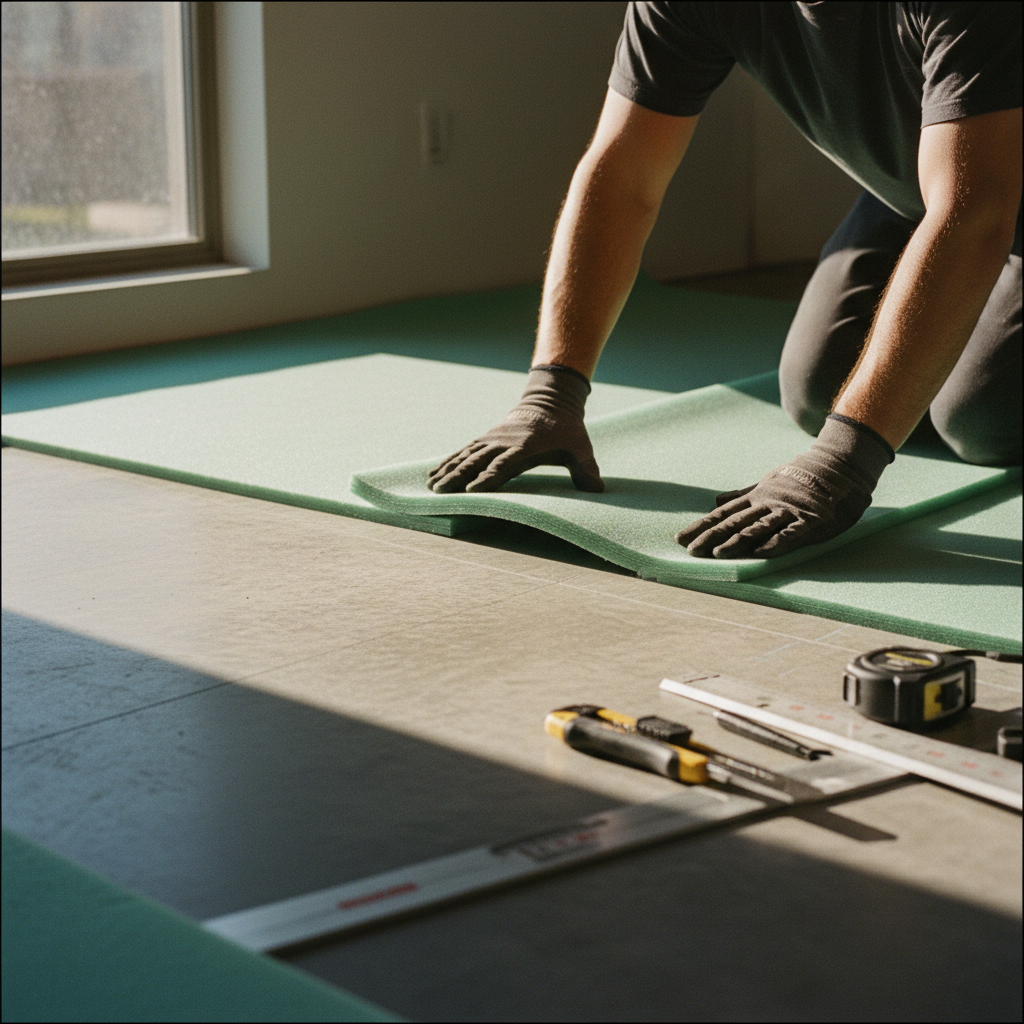
While refinishing handles surface aesthetic issues, certain conditions signal that the material has reached the end of its functional life. Structural compromise is the primary reason to opt for a full tear-out. If planks are buckling or cupping significantly, the issue often lies beneath the wood. In Millard County, these problems usually stem from unresolved moisture issues or improper professional installation and replacement in the past. When boards lift from the subfloor or show significant movement underfoot, sanding the surface will only mask a failing foundation.
Deep, dark staining is another non-negotiable factor. Liquid damage, particularly from pet urine, penetrates deep into the wood fibers and often saturates the subfloor below. These stains typically turn the wood black, and the associated odors are trapped within the cellular structure of the timber. Sanding cannot reach deep enough to remove these defects without compromising the board's strength. If this type of damage extends across more than 30 percent of the floor area, the labor and material costs required to patch and color-match individual sections often exceed the cost of a complete overhaul.
The high desert climate in Fillmore introduces specific mechanical failures related to wood shrinkage. Extreme low humidity causes wood to contract, sometimes creating gaps so wide they cannot be effectively bridged with specialized fillers. If you notice gaps that remain wide even during the more humid months, or if you can see the "tongue" of the tongue-and-groove joint, the floor has lost its structural integrity. Once the wood has been sanded down to this point, there is simply not enough wear layer left to support the weight of foot traffic or another restoration cycle. At this stage, replacement is the only way to ensure a level, stable, and quiet floor.
The Thickness Test: How Many Times Can Your Hardwood Be Sanded?
Determining if you should refinish or replace hardwood floors often comes down to a simple measurement of the remaining material. For a standard 3/4 inch solid hardwood floor, you can typically expect to refinish the surface four to six times over its 100 year lifespan. Each professional sanding cycle removes approximately 1/32 of an inch of wood. Once the surface is sanded down close to the top of the tongue and groove joint, the floor loses its structural integrity and requires a full replacement.
Engineered hardwood requires a more cautious approach because it features a real wood veneer, known as a wear layer, bonded to a stable core. High quality engineered products with a thick wear layer may handle one or two refinishes. However, many entry level engineered floors have a veneer so thin that any sanding would immediately expose the plywood underneath. In these cases, professional installation and replacement is the only viable path forward.
Homeowners in Fillmore can verify their floor’s remaining life by examining a cross section of the planks. Remove a floor vent cover or inspect the edge of the wood where it meets a transition strip at a doorway. This view reveals exactly how much wood remains above the tongue. If the wood above that joint is less than 1/8 of an inch thick, the material has reached the end of its sandable life.
The Cost Comparison: Investment Analysis for Millard County Homeowners
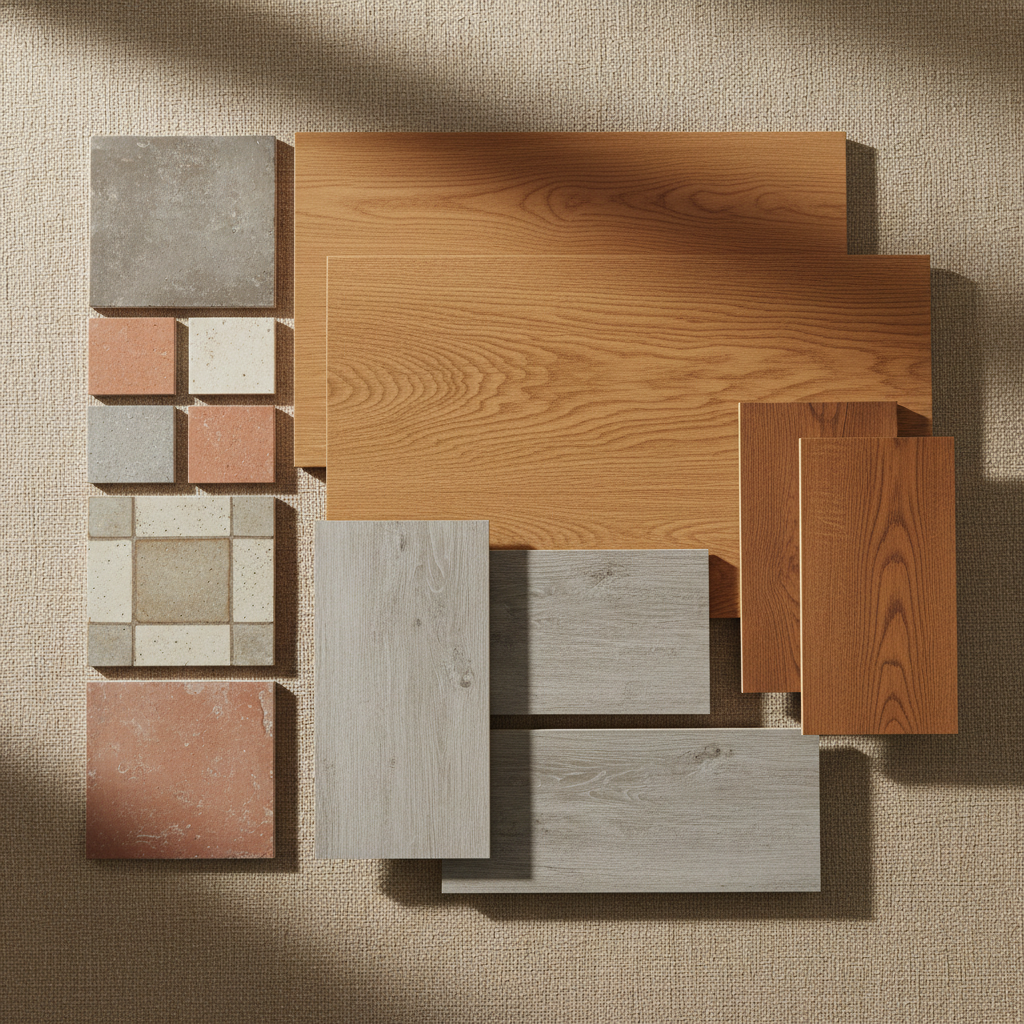
The decision to refinish or replace hardwood floors carries distinct financial implications for Millard County property owners. While national averages for professional refinishing typically range from $1,100 to $2,700, local costs in Fillmore are influenced by the specific grit sequences needed for high-altitude wood and the mobilization of heavy sanding equipment. Refinishing remains the most economical path, focusing investment purely on labor and high-quality sealants rather than the procurement of new raw materials.
In contrast, a full replacement involves additional layers of expense, including professional demolition, debris disposal, and the current market price of new lumber. While the initial Flooring Installation Cost per Square Foot is higher, replacement acts as a long-term asset upgrade. It provides the chance to swap aging, narrow boards for contemporary wide-plank options or more durable species better suited to the local climate. Opting for professional installation and replacement also grants access to modern aluminum-oxide finishes that offer superior wear resistance compared to the traditional site-applied polyurethanes used in previous decades. For homes where the existing wood has been sanded to its limit, this investment eliminates the recurring maintenance costs and structural issues associated with a failing floor system.
Fillmore Environmental Factors: How High Desert Dryness Impacts Your Choice
Fillmore’s high desert climate presents a unique set of challenges for timber. Our local humidity levels are consistently low, which forces organic wood fibers to lose moisture and contract. This environmental reality leads to what we call seasonal gaps, where planks pull away from one another during the driest months. When deciding to refinish or replace hardwood floors, the width and stability of these gaps serve as a primary indicator of the best path forward.
For floors with minor spacing, our refinishing process includes the use of specialized, high-solid wood fillers. These professional-grade compounds are designed to flex slightly and bond with the grain, effectively sealing the gaps before we apply the final protective layers. However, when gaps become large enough to fit a nickel or remain present year-round, the wood has often reached its point of permanent contraction. In these instances, filling is a temporary cosmetic fix that will eventually crack and fail under the pressure of the high desert's lack of moisture.
Choosing professional installation and replacement allows us to address these environmental stressors at the source. We often recommend engineered hardwood with a cross-ply core, which offers superior dimensional stability in arid climates compared to standard solid planks. Furthermore, we ensure all new materials undergo a rigorous onsite acclimation period to reach equilibrium with Fillmore’s air before they are fastened. Success in this climate depends heavily on meticulous Subfloor Preparation. By ensuring the foundation is perfectly level and secured, we eliminate the friction that causes annoying squeaks as the wood moves through Utah’s extreme seasonal cycles.