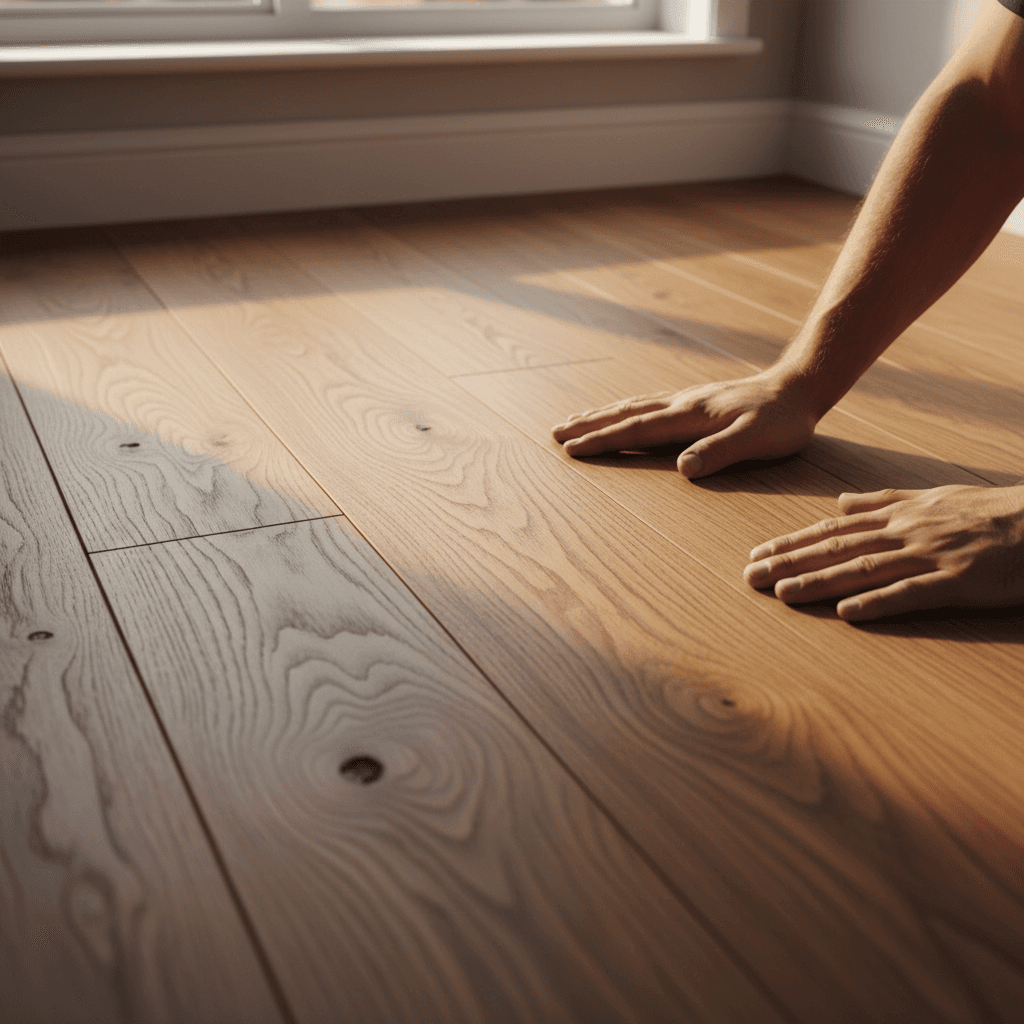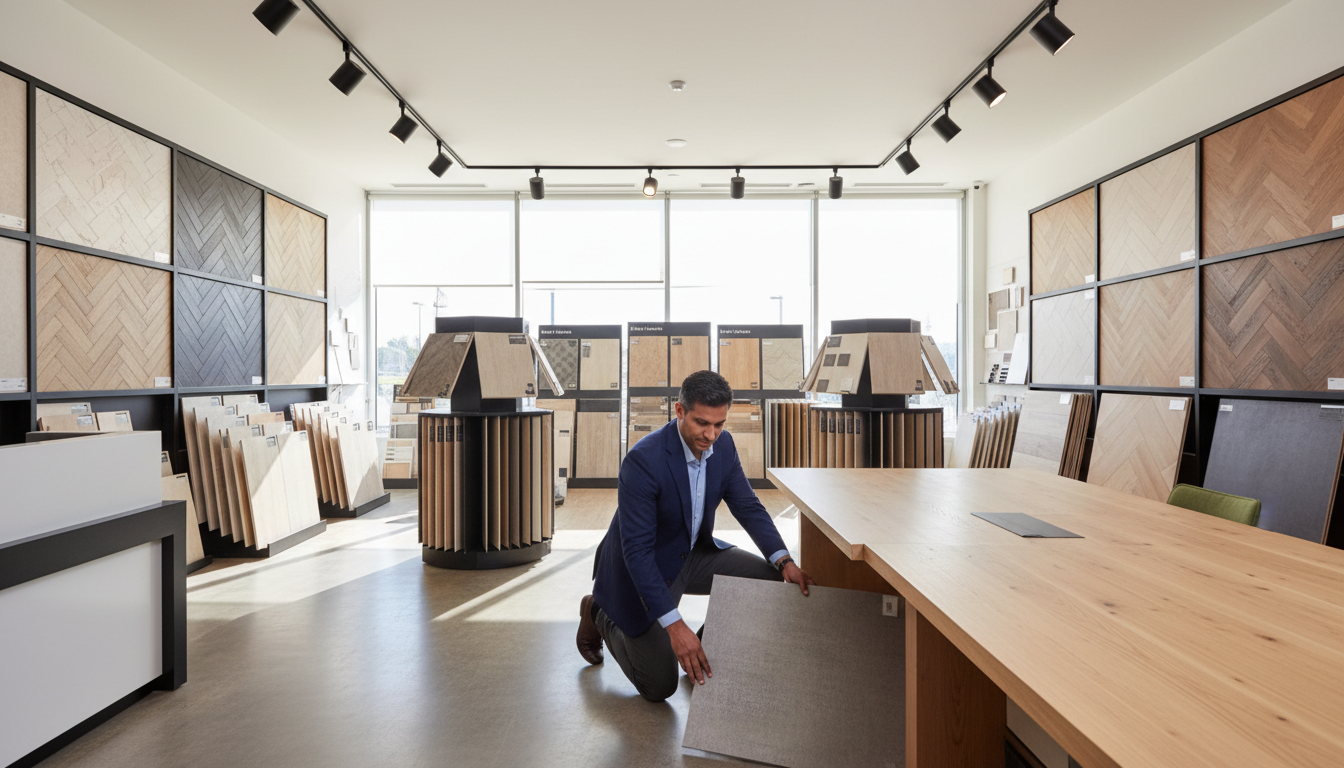
The average flooring installation cost per square foot typically ranges from $3 to $25 in 2026, with most homeowners spending approximately $7 per square foot for professional service. While affordable options like laminate or vinyl generally cost between $3 and $11 per square foot installed, premium materials like tile or hardwood occupy the higher end of the spectrum. These total prices are generally split evenly between the cost of materials and professional labor fees.
Embarking on a flooring renovation often begins with a single, pressing question regarding the true cost per square foot. For Utah homeowners, the challenge lies in balancing aesthetic aspirations with the reality of a fluctuating 2026 market where material prices and labor availability shift quickly. Understanding these variables is not just about staying within a budget; it is about protecting the long term value of your property. In this comprehensive guide, we examine the current landscape of the Utah flooring industry to provide clarity on average installation costs across various materials. You will learn how to navigate the traditional split between labor and materials, identify the hidden expenses associated with subfloor preparation, and discover practical strategies for optimizing your investment. By the end of this analysis, you will have a clear, expert perspective on what to expect for your upcoming residential project.
The 2026 Utah Flooring Market: What to Expect
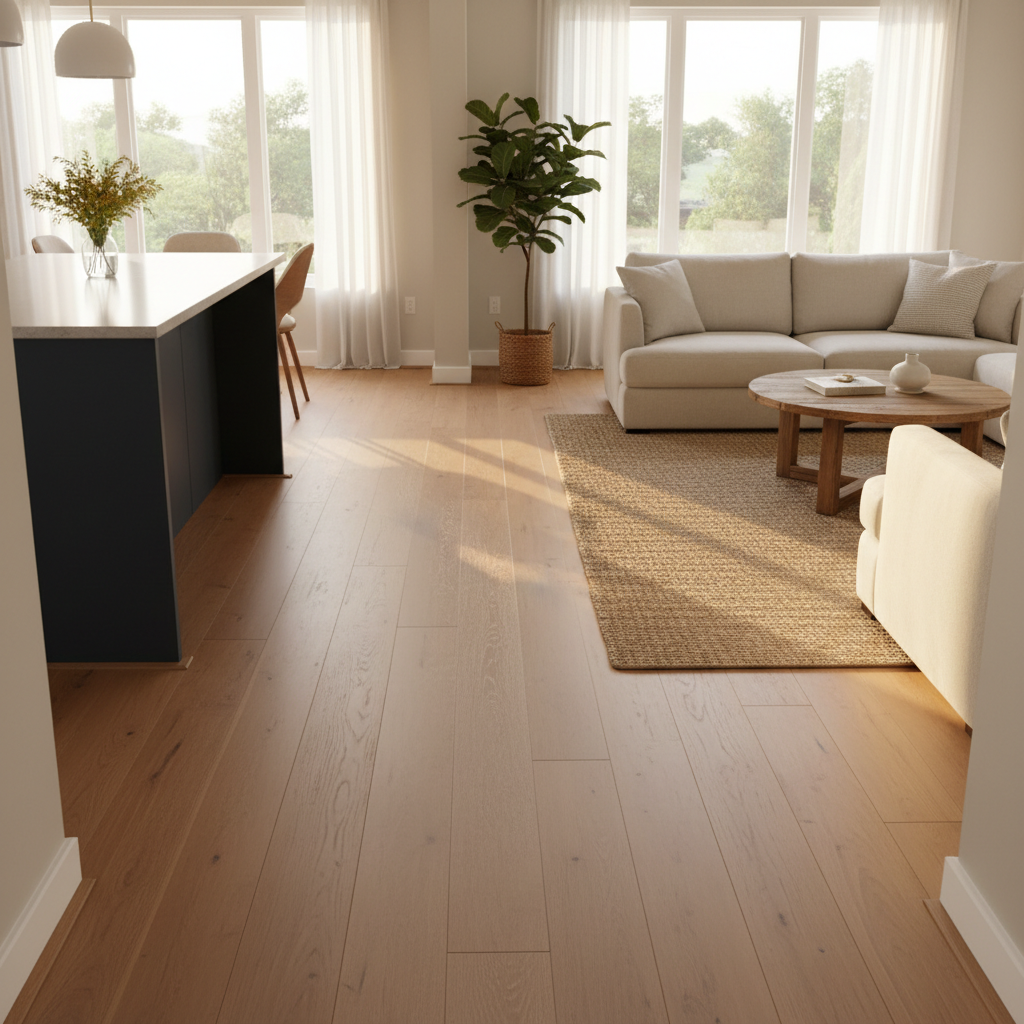
As we move through 2026, the Utah home improvement market remains resilient. While national trends provide a broad baseline for budgeting, residents in Fillmore and Millard County must account for localized economic drivers. Logistics play a significant role here; shipping heavy materials to central Utah can influence the total flooring installation cost per square foot compared to larger hubs like Salt Lake City. Furthermore, local labor demand fluctuates based on regional agricultural and commercial development cycles, impacting the availability of experienced crews.
Thinking of a new floor as a simple expense often leads to cutting corners, but homeowners should view it as a strategic investment in property value. The durability of your flooring depends entirely on the quality of the initial work. At Gobes Flooring, we utilize precision preparation methods to address subfloor irregularities before the first plank is laid. This meticulous approach prevents common issues like shifting, buckling, or premature wear that lead to expensive repairs later. Choosing professional installation and replacement ensures that high quality materials perform as intended for decades. When you view our portfolio, you can see the results of our commitment to level surfaces and proper adhesion, which are the hallmarks of a professionally executed project in the current Utah market.
Average Flooring Installation Cost per Square Foot by Material
The total flooring installation cost per square foot depends heavily on the specific product tier and the technical requirements of the material. While labor is a significant factor, the raw material quality often dictates the complexity of the job. In the 2026 market, homeowners should expect a wide pricing spectrum based on durability and composition.
Material Type | Total Installed Cost (per Sq. Ft.) | Primary Cost Drivers |
|---|---|---|
Laminate | $3 – $8 | AC rating, water resistance, core density |
Luxury Vinyl Plank (LVP) | $4 – $15 | Wear layer thickness (mils), SPC vs. WPC core |
Engineered Hardwood | $9 – $20 | Veneer thickness, species, plank length |
Solid Hardwood | $11 – $25 | Species rarity, plank width, site-finishing needs |
Luxury Vinyl Plank (LVP) remains a top choice for Utah homes due to its resilience. At the lower end of the $4 to $15 range, you typically find thinner planks with a 6-mil or 12-mil wear layer. Premium LVP options feature a 20-mil or 22-mil wear layer and a rigid Stone Plastic Composite (SPC) core. These high-end materials are heavier and require more precise cutting tools, which can slightly increase labor time. Similarly, laminate pricing fluctuates between $3 and $8 based on its AC rating; a higher rating indicates better resistance to the abrasive wear common in high-traffic households.
Real wood products carry higher costs due to both the material scarcity and the expertise required for professional installation and replacement. Engineered hardwood, ranging from $9 to $20, relies on the thickness of the top wood veneer. A thicker veneer allows for future sanding and refinishing, adding value but increasing the initial price. Solid hardwood remains the premium option at $11 to $25 per square foot. Prices here are driven by the species, such as domestic oak versus imported exotic woods, and the width of the planks.
It is vital to recognize that high-end materials often require more specialized labor. While a basic floating laminate might be straightforward, solid hardwood or glue-down engineered planks demand rigorous subfloor checks and specialized fastening patterns. When you view our portfolio, you can see how these premium materials perform when paired with the right technical execution. Investing in better materials usually means investing in a more skilled installer to ensure the manufacturer’s warranty remains valid.
Labor vs Materials: Understanding the 50/50 Split
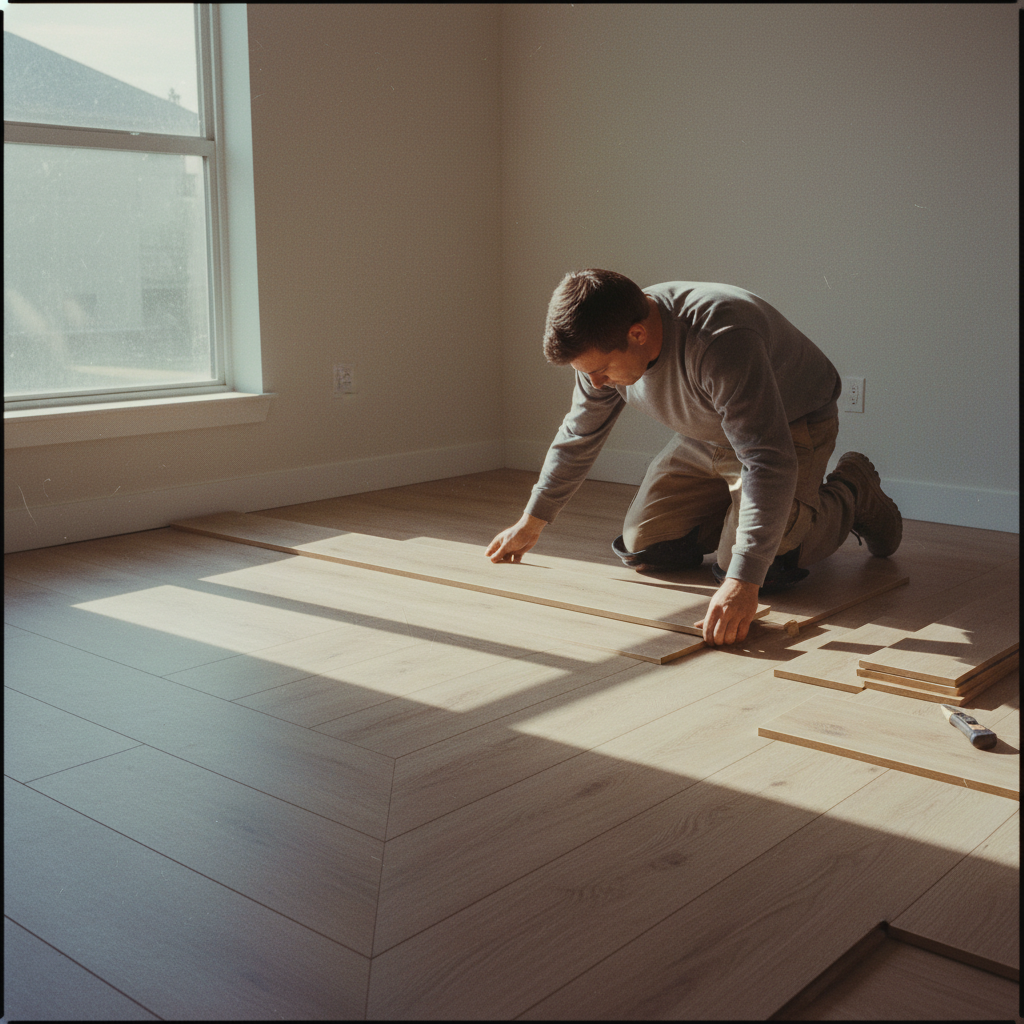
While high quality planks or tiles set the stage for a home renovation, the labor required to install them is just as significant a portion of the flooring installation cost per square foot. In the current 2026 market, a useful rule of thumb is the 50/50 split. For standard residential projects, roughly half of your budget typically goes toward the materials themselves, while the other half covers the skilled labor needed to ensure those materials perform as intended.
Homeowners frequently ask, "How much should I charge for labor to install laminate flooring?" For a basic installation in Utah, labor only rates currently range between $2.00 and $4.00 per square foot. This rate generally covers the actual layout and clicking of the boards. However, a quote at the bottom of that range often indicates a "fast and loose" approach. Inexpensive labor frequently skips the vital precision preparation methods required for a professional, long lasting finish.
If an installer neglects to check for high spots in a concrete slab or fails to reinforce a bouncy plywood subfloor, the new material will eventually fail, regardless of how much you spent on the product itself. At Gobes Flooring, our labor costs reflect the time spent on these critical, often invisible steps. We prioritize proper adhesion and flat surfaces because a floor is only as good as the foundation beneath it. When you view our portfolio, you see the result of labor that values technical accuracy over speed. Investing in experienced installers who use modern leveling tools prevents the clicking sounds and joint separations that plague bargain rate installations.
Estimating Large Scale Projects: 1,000 to 2,000 Square Feet
A 1,000 square foot project often represents the entire main floor of a typical Millard County ranch style home or a spacious finished basement. For a standard LVP installation at this scale, homeowners should budget between $5,000 and $10,000 for a turn-key result. This range accounts for mid to high grade materials and the necessary precision preparation methods to ensure the floor remains stable. When scaling up to a 2,000 square foot whole house renovation, the total investment typically doubles, though certain efficiencies begin to emerge.
Project Size | Material Type | Estimated Total Range (Installed) |
|---|---|---|
1,000 Sq. Ft. | Luxury Vinyl Plank (LVP) | $5,000 – $10,000 |
2,000 Sq. Ft. | Luxury Vinyl Plank (LVP) | $9,500 – $19,500 |
1,000 Sq. Ft. | Solid Hardwood | $11,000 – $25,000 |
2,000 Sq. Ft. | Solid Hardwood | $21,000 – $48,000 |
Large, open concept floor plans allow our teams to maintain a steady rhythm, reducing the time spent on intricate cuts and transitions. This economy of scale can sometimes lead to a slightly lower flooring installation cost per square foot for labor compared to smaller, segmented spaces. A 1,000 square foot open basement is significantly more efficient to install than 1,000 square feet divided into multiple bathrooms, closets, and laundry rooms.
In those chopped up areas, the labor intensity increases due to the constant need for scribing around plumbing fixtures and door jambs. You can view our portfolio to see how we handle these transitions with clean, professional finishes, regardless of the room size. While larger projects require a higher total outlay, the streamlined workflow of a whole house project often provides the best overall value for your professional installation and replacement investment.
The Utah Factor: Climate and Geography Impacts on Price
Utah’s high desert environment introduces unique technical challenges that influence the total flooring installation cost per square foot. Our extremely low humidity requires a strict acclimation period for solid and engineered hardwood, where materials must sit in the controlled environment of the home for several days before professional installation and replacement begins. Rushing this process in an arid climate leads to shrinkage, gaps, and structural failure; therefore, we use professional moisture meters to verify that the wood has reached equilibrium with the residence. While this adds time to the project schedule, it is a necessary investment to protect the longevity of the material.
Operating out of Fillmore allows us to provide a distinct economic advantage for residents in Millard County. Unlike contractors based in Salt Lake City who often pass down higher overhead and travel surcharges to reach Central Utah, our local presence eliminates those big city premiums. We reinvest these operational savings into precision preparation methods and advanced dustless cutting tools that ensure a cleaner, more accurate fit. You can view our portfolio to see how these climate specific techniques result in stable, tight joints that withstand Utah’s intense seasonal shifts without buckling or separating.
Hidden Costs: Removal, Prep, and Subfloor Leveling
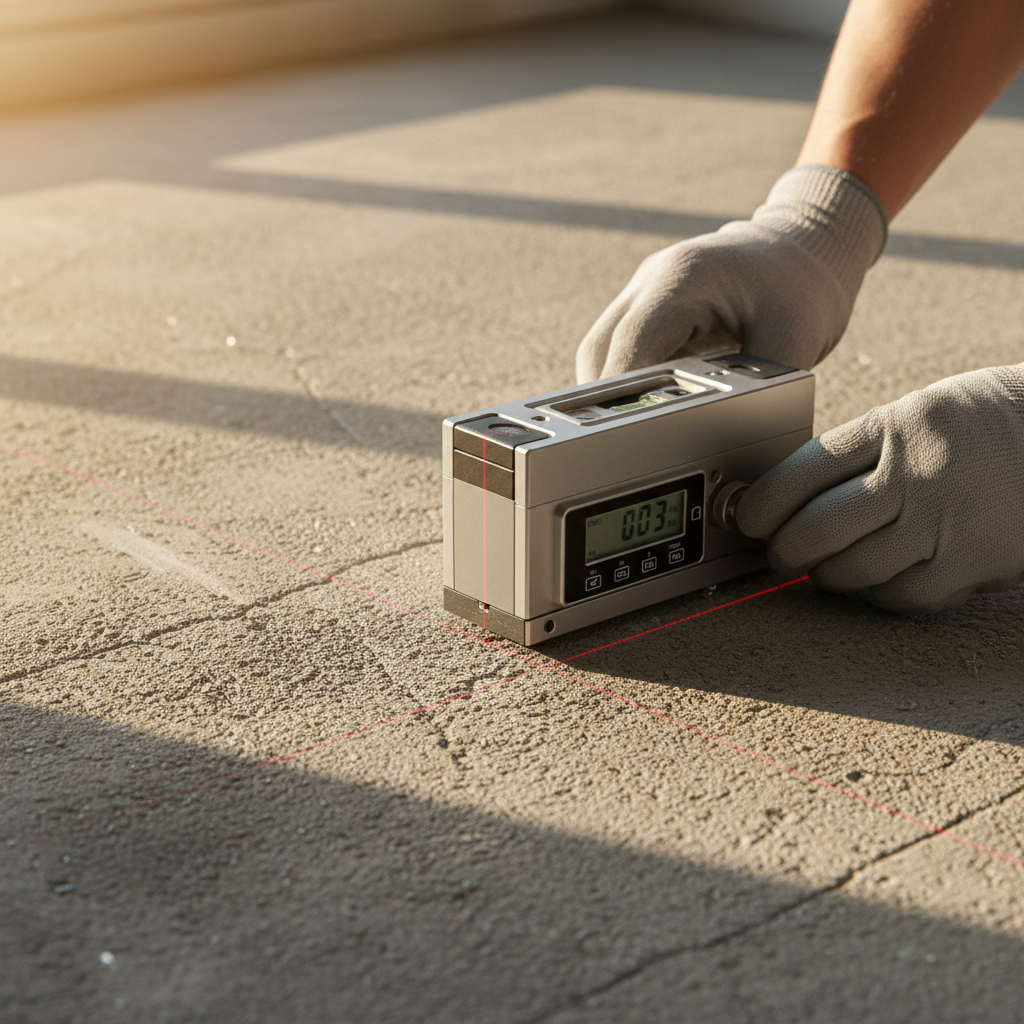
Understanding the full scope of a project requires looking beyond the sticker price of the planks. The average cost of flooring removal and installation involves several necessary steps that occur before the first piece of LVP or hardwood is laid. These tasks are often priced separately because the labor intensity varies significantly depending on what is already on your floor.
Service Type | Estimated Cost Range |
|---|---|
Carpet Removal and Disposal | $1 – $2 per yard |
Ceramic or Stone Tile Demolition | $3 – $5 per sq. ft. |
Glue-Down Material Removal | $2 – $4 per sq. ft. |
Subfloor Leveling (Labor + Materials) | $0.50 – $2.50 per sq. ft. |
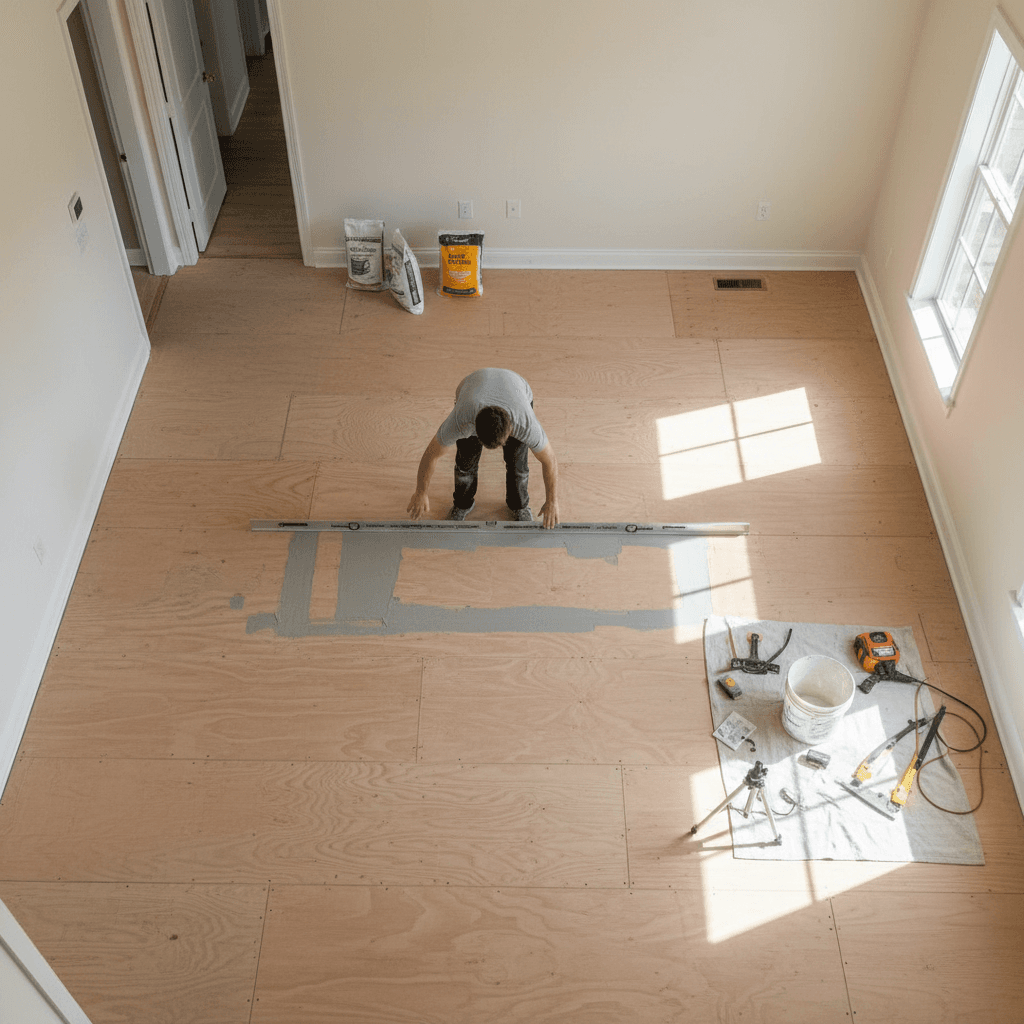
Demolition is just the beginning. The most critical variable in the total flooring installation cost per square foot is subfloor preparation. At Gobes Flooring, we implement precision preparation methods to address dips, humps, or structural weaknesses in the foundation. If a concrete slab is not ground down or a wood subfloor is not properly reinforced and leveled, even the most expensive flooring will eventually click, pop, or suffer from premature joint failure. This technical stage ensures a level surface and proper adhesion, which are essential for professional installation and replacement success. You can view our portfolio to see the results of floors that were installed over perfectly prepared foundations, ensuring they remain silent and stable for years.
How to Save on Flooring Installation Without Sacrificing Quality
Reducing your total flooring installation cost per square foot does not require settling for inferior materials. You can lower the labor portion of the bill by tackling non-technical prep work yourself. Moving heavy furniture out of the work area before the crew arrives and handling the removal of existing carpet are effective ways to save. In Millard County, check if the local transfer station accepts residential carpet waste, which can eliminate disposal fees from your quote. Another strategy involves selecting high quality, in-stock materials to bypass the rising shipping costs associated with special orders.
Be wary, however, of the false savings found in DIY projects. Modern materials require specialized tools and strict adherence to manufacturer specifications to maintain valid warranties. Attempting the work without professional experience often leads to misaligned planks, improper expansion gaps, or wasted material due to cutting errors. Choosing professional installation and replacement ensures that the job is done right the first time. At Gobes Flooring, we apply precision preparation methods that provide a foundation DIY attempts often overlook. You can view our portfolio to see how expert execution delivers a high end finish that protects your investment long after the project is complete.
Understanding the projected flooring costs for 2026 allows you to plan your Utah home renovation with confidence. Whether you choose luxury vinyl or classic hardwood, your budget depends on the specific materials and labor requirements of your space. While managing a project yourself is rewarding, many homeowners prefer the precision of a professional team. If you want expert help navigating these choices, you can learn more about our dedicated team at Gobes Flooring. We are here to ensure your new floors look beautiful for years to come.