How long does flooring last depends primarily on the material; hardwood and tile can remain functional for 50 to 100 years with proper maintenance. Modern alternatives like luxury vinyl and laminate typically last between 15 and 25 years, while carpet usually requires replacement every 5 to 15 years.
Investing in new flooring represents a significant commitment of both time and capital, yet many homeowners remain uncertain about when their investment will truly reach its expiration date. Whether you are dealing with the wear of high traffic areas or the specific challenges of Utah’s arid climate, understanding the expected lifespan of your surfaces is essential for long term home maintenance. At Gobes Flooring, we believe that longevity is built on a foundation of quality materials and expert precision. In this guide, we will analyze the durability of hardwood, luxury vinyl, tile, and laminate, while identifying the unique environmental factors that dictate replacement timelines in the Beehive State. You will discover exactly how to evaluate your current floors, recognize the signs of structural decline, and ensure your next installation lasts for decades.
Understanding the Real Lifespan of Your Home Flooring
Choosing new floors is a significant investment for Fillmore homeowners, representing both a major financial commitment and a long term upgrade to the property’s value. When researching how long does flooring last, it is important to look beyond the generalized warranties provided by manufacturers. These estimates are often based on controlled laboratory environments, but the reality in Millard County involves specific environmental stressors that can shorten a floor's life if not properly managed.
In our high desert climate, we face extreme seasonal humidity shifts and winters where snow, grit, and ice melt are regularly tracked into the home. These factors mean that a material’s durability is only half the battle. The other half is the quality of the groundwork. A manufacturer’s "50-year warranty" is often contingent on perfect subfloor conditions and flawless execution during the build.
At Gobes Flooring, we recognize that longevity starts before the first plank is laid. We prioritize precision preparation methods to ensure surfaces are perfectly level and properly acclimated to Utah’s dry air. By focusing on professional installation and replacement that accounts for local variables, we ensure materials reach the maximum end of their expected lifespan, preventing the premature cracking, gapping, or wear that often plagues shortcut installations.
Hardwood Flooring: The Century Long Choice
Solid hardwood is often regarded as the gold standard when homeowners ask how long does flooring last. Because it consists of a single, thick plank of timber, it can be sanded and refinished multiple times, effectively resetting its appearance every couple of decades. In a well maintained Fillmore home, solid hardwood can easily last 75 to 100 years. This longevity makes it a legacy material, often surviving as long as the structure of the house itself.
In contrast, engineered hardwood offers a different value proposition. It is constructed with a real wood veneer atop a stable core of plywood or high density fiberboard. While it provides excellent resistance to warping, its lifespan is shorter, typically ranging from 20 to 40 years. The limiting factor here is the thickness of the top wear layer; once that veneer is sanded through, the floor cannot be refinished again. Homeowners should check the millimeter thickness of the wear layer to determine if a product can withstand the two or three refinishings required to reach the 40 year mark.
In the high desert environment of Central Utah, hardwood requires specialized handling. Our extremely low humidity can cause wood to lose moisture rapidly, leading to unsightly gapping between planks or even structural cracking. To prevent this, we utilize precision preparation methods that include extended on site acclimation. We ensure the wood reaches an equilibrium moisture content relative to your home’s specific environment before the first nail is driven. This careful approach to professional installation and replacement ensures that your investment remains stable through every dry winter and hot summer, avoiding the common pitfalls of rapid, unmonitored installation.
Luxury Vinyl Plank and Tile: Modern Durability Standards
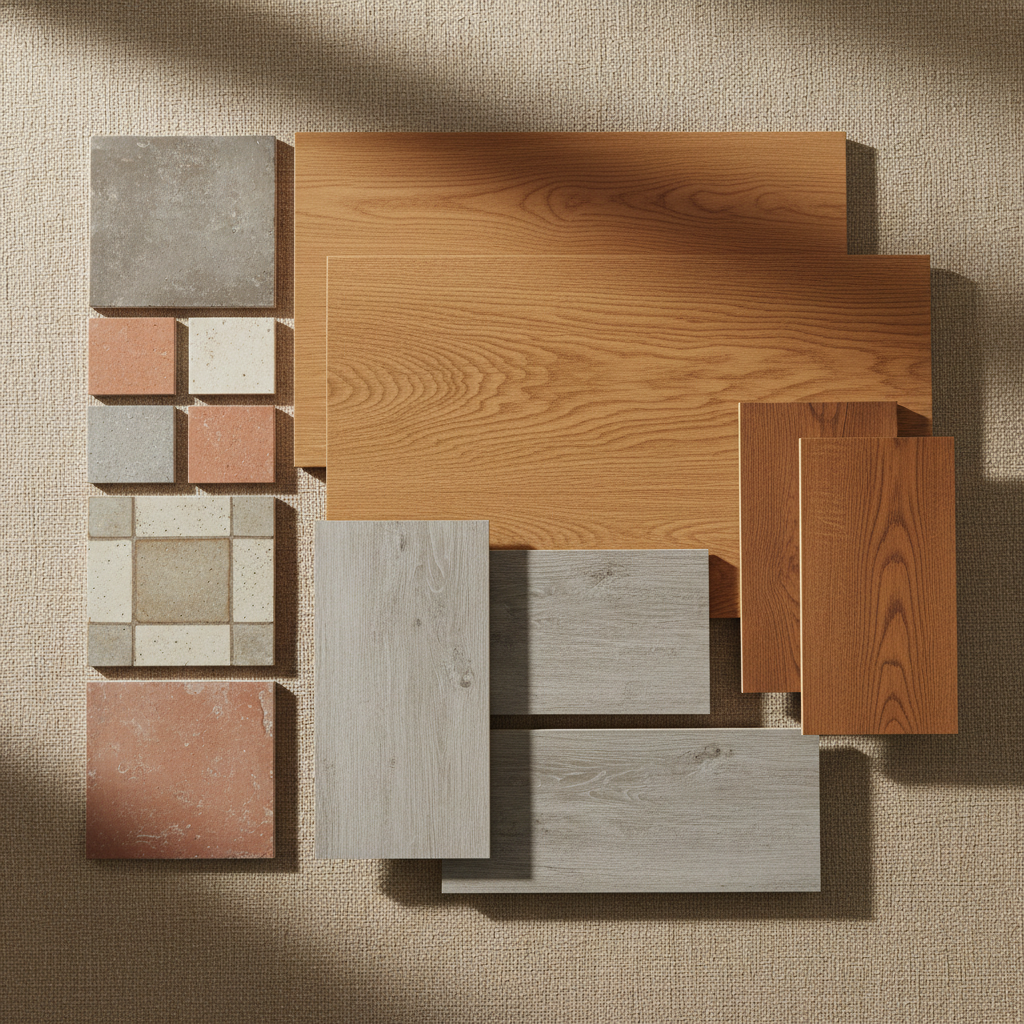
Luxury vinyl plank (LVP) has become a dominant choice in Fillmore because it balances resilience with a modern aesthetic. A frequent concern for homeowners is how long will 20 mil vinyl plank flooring last? In a typical residential setting, a high quality LVP with a 20 mil wear layer can easily last 20 to 25 years. The mil measurement refers to the thickness of the protective top coating, not the total plank thickness. This layer shields the printed design from scratches and UV fading, making it the primary factor in the floor's longevity.
Flooring Type | Expected Lifespan | Best Use Case |
|---|---|---|
Standard Sheet Vinyl | 10 – 15 Years | Low-traffic rentals or utility rooms |
12 Mil LVP | 10 – 15 Years | Guest bedrooms or light residential |
20 Mil LVP | 20 – 25 Years | Main living areas, pets, and active kids |
There is a significant durability gap between older sheet vinyl and modern click-lock systems. Traditional sheet vinyl, while waterproof, is prone to tearing and adhesive failure after a decade. Modern LVP utilizes rigid core technology that resists indentation and handles the temperature fluctuations common in Central Utah.
When evaluating how long does flooring last in a busy household, LVP often emerges as the most practical long term value. For Utah families managing tracked-in snow, salt, and pets, LVP provides a waterproof barrier that hardwood cannot match. While it may not reach the fifty year mark of ceramic tile, its resilience and ease of professional installation and replacement make it a sturdy defender against winter grit. To maximize this lifespan, our team uses precision preparation methods to ensure the subfloor is perfectly smooth, which prevents the clicking joints from failing prematurely under foot traffic.
Tile and Stone: The Ultimate Lifespan Champions
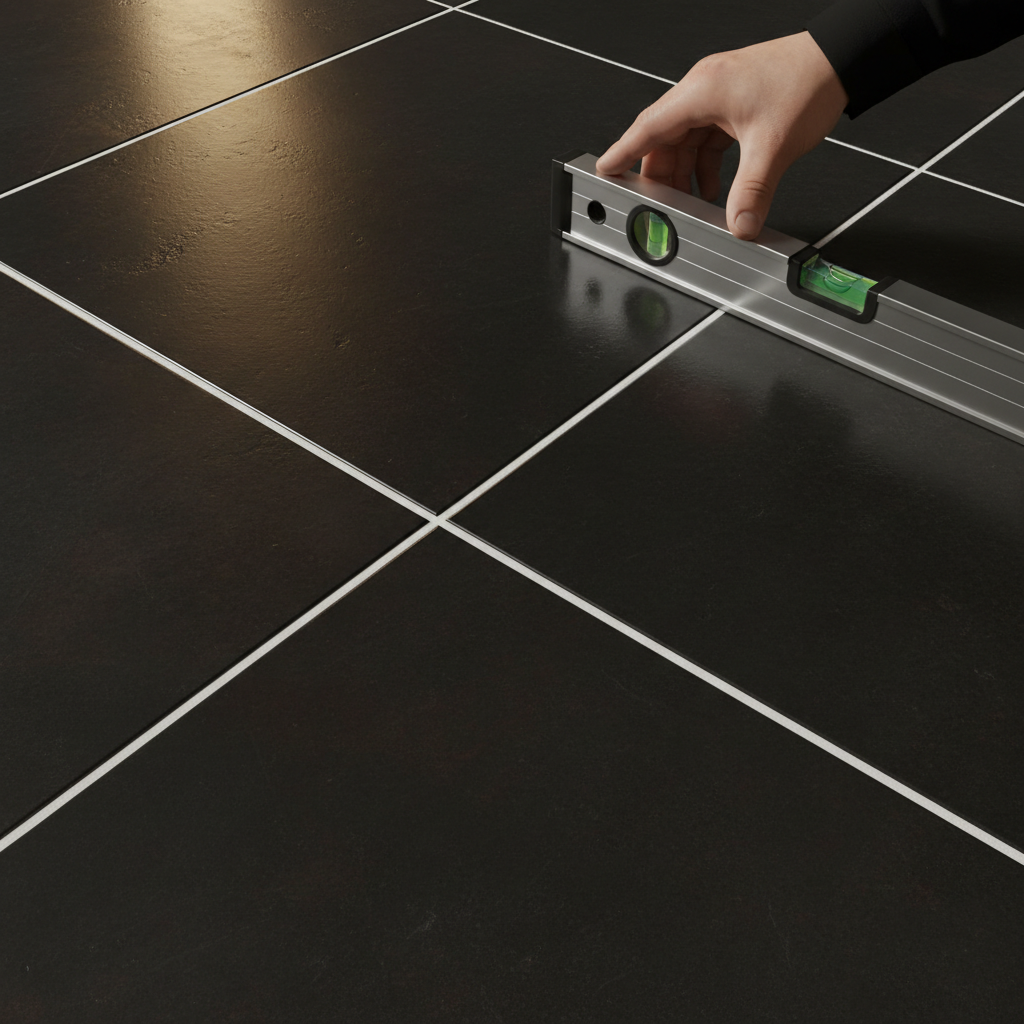
For homeowners prioritizing the maximum return on their investment, porcelain and ceramic tile are often categorized as "forever floors." These materials frequently exceed a 50 to 70 year lifespan, outlasting almost every other component of a home. Because tile is inorganic and exceptionally hard, the surface itself rarely wears out through standard foot traffic. When evaluating how long does flooring last, tile consistently sits at the top of the list due to its resistance to moisture and abrasion.
However, the longevity of a tile floor is usually determined by what lies beneath it rather than the tile itself. The most common points of failure are the grout and the subfloor. Over decades, grout can become porous or cracked if not maintained, while an uneven subfloor leads to "lippage," where the edges of tiles sit at different heights. This creates trip hazards and increases the risk of individual tiles cracking under pressure.
Our team at Gobes Flooring utilizes precision preparation methods to ensure every subfloor is perfectly flat and structurally sound before a single tile is set. By prioritizing this foundational work, we mitigate the risk of structural failure or shifting. When combined with professional installation and replacement techniques, a properly set stone or porcelain floor can remain functional and beautiful for generations, far surpassing the timeline of synthetic alternatives.
Laminate and Carpet: When to Expect a Refresh
While tile and hardwood are valued for their permanence, laminate and carpet are designed for periodic replacement cycles. Laminate typically provides a service life of 15 to 25 years. Its durability relies on a transparent wear layer protecting a photographic image of wood or stone. In Fillmore homes, the primary threat to laminate is moisture intrusion at the seams from melting snow or abrasive grit that scratches the resin finish.
Carpet remains the most frequent refresh item, with a lifespan typically ranging from 5 to 15 years. In Millard County, high traffic zones like entryways and hallways often see fibers degrade faster due to alkaline soil and winter salt tracked indoors. These abrasive particles act like sandpaper, grinding down fibers even with regular vacuuming.
When deciding between a patch and a full upgrade, we recommend applying the Rule of 3. If a repair estimate exceeds one third of the total cost for professional installation and replacement, or if the material has passed one third of its expected lifespan and shows significant aesthetic wear, replacing the floor is the more fiscally responsible choice. Investing in precision preparation methods during this transition, such as installing a high quality moisture barrier under new laminate, can help you reach the upper limit of how long does flooring last in our dry, high elevation climate.
The Utah Factor: Why Local Climate Affects Flooring Longevity
Fillmore sits in a high desert environment where humidity levels fluctuate dramatically between the parched winter months and the late summer monsoon season. These extreme swings are a primary factor in determining how long does flooring last in Central Utah. Natural materials like solid hardwood are particularly sensitive; they expand and contract more aggressively here than in more temperate, humid regions. Without proper climate control and specialized installation techniques, these cycles can eventually cause flooring to pull away from fasteners or develop permanent structural gaps.
Local soil composition and winter maintenance also play a significant role. The alkaline soil prevalent in Millard County, combined with the ice melt chemicals frequently tracked indoors during winter, creates a corrosive cocktail for floor finishes. These substances can chemically strip the protective topcoats off hardwood or seep into the seams of laminate and luxury vinyl. Once the seal is compromised, moisture from melting snow can cause the core materials to swell or delaminate. Utilizing professional installation and replacement ensures that transition points and perimeters are properly sealed. Our team employs precision preparation methods to account for these environmental stressors, selecting underlayments and adhesives designed to withstand the unique chemistry and climate of the Utah desert.
5 Signs It Is Time to Replace Your Utah Flooring
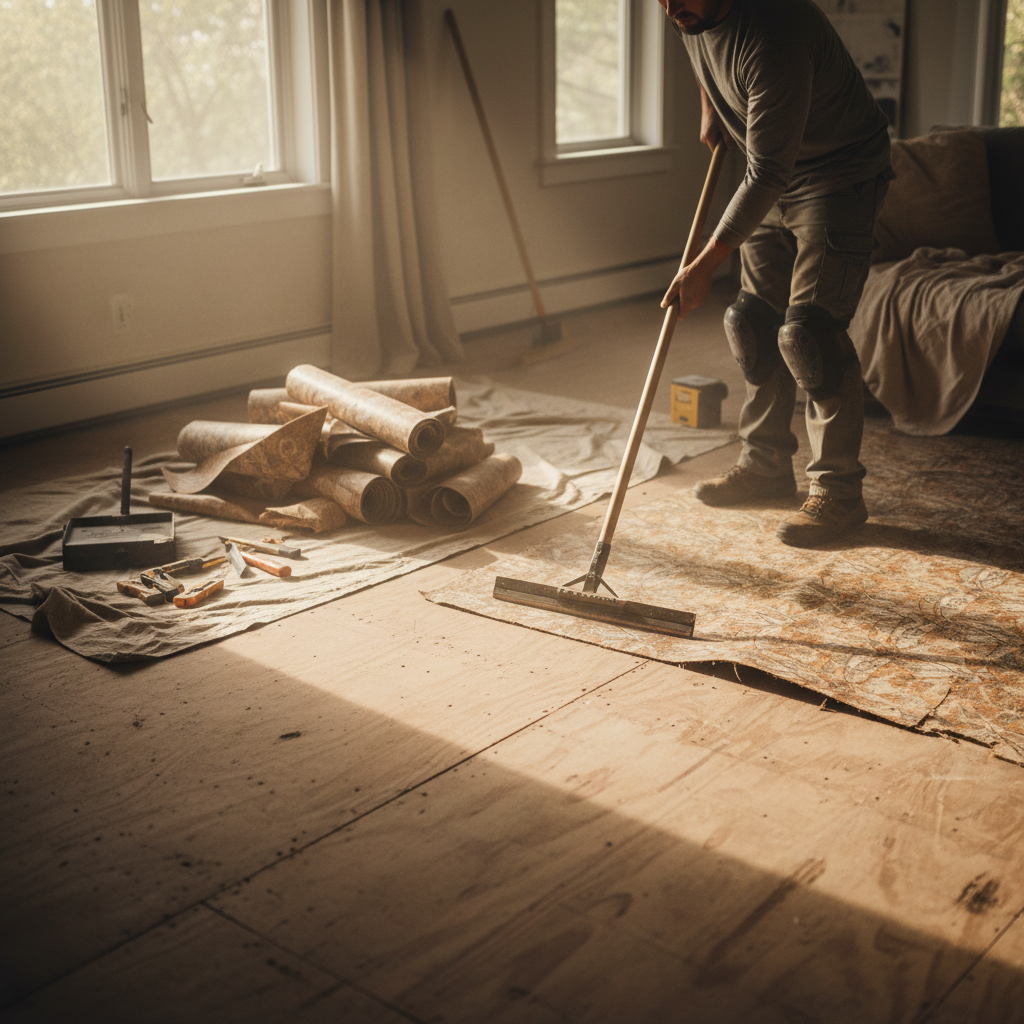
Recognizing the specific warning signs of failure allows homeowners to act before minor cosmetic issues turn into structural repairs. While determining how long does flooring last involves tracking its age, physical performance is the more reliable indicator. In Fillmore homes, these five red flags signal that a surface has reached its functional end.
Persistent Odors: If carpet or luxury vinyl continues to smell despite deep cleaning, moisture or organic matter is likely trapped underneath. In LVP, this often indicates water has bypassed the locking system and is stagnating against the subfloor.
Excessive Soft Spots or Squeaks: New noises or a spongy feel when walking indicate that the subfloor or the underlayment is failing. Ignoring this can lead to expensive rot that requires more than just a surface refresh.
Visible Wear Through the Wear Layer: Once you can see the dull core or the printed pattern fading on laminate or vinyl, the protective shield is gone. The floor will now absorb stains and moisture rapidly.
Multiple Cracked Tiles: Spiderweb cracks across several tiles usually point to a shifting subfloor or lack of proper precision preparation methods during the initial build.
Buckling from Snow Melt: Near entryways, deep water staining or planks that have peaked at the seams from winter moisture are signs of permanent structural damage.
Delaying professional installation and replacement when these signs appear risks damaging the home’s joists and plywood base. Our portfolio of local projects showcases many instances where timely intervention saved homeowners from the high cost of total subfloor reconstruction. By replacing failing materials early, you protect the structural integrity of your home from the aggressive moisture cycles common in Central Utah.
Maximizing Lifespan Through Professional Installation
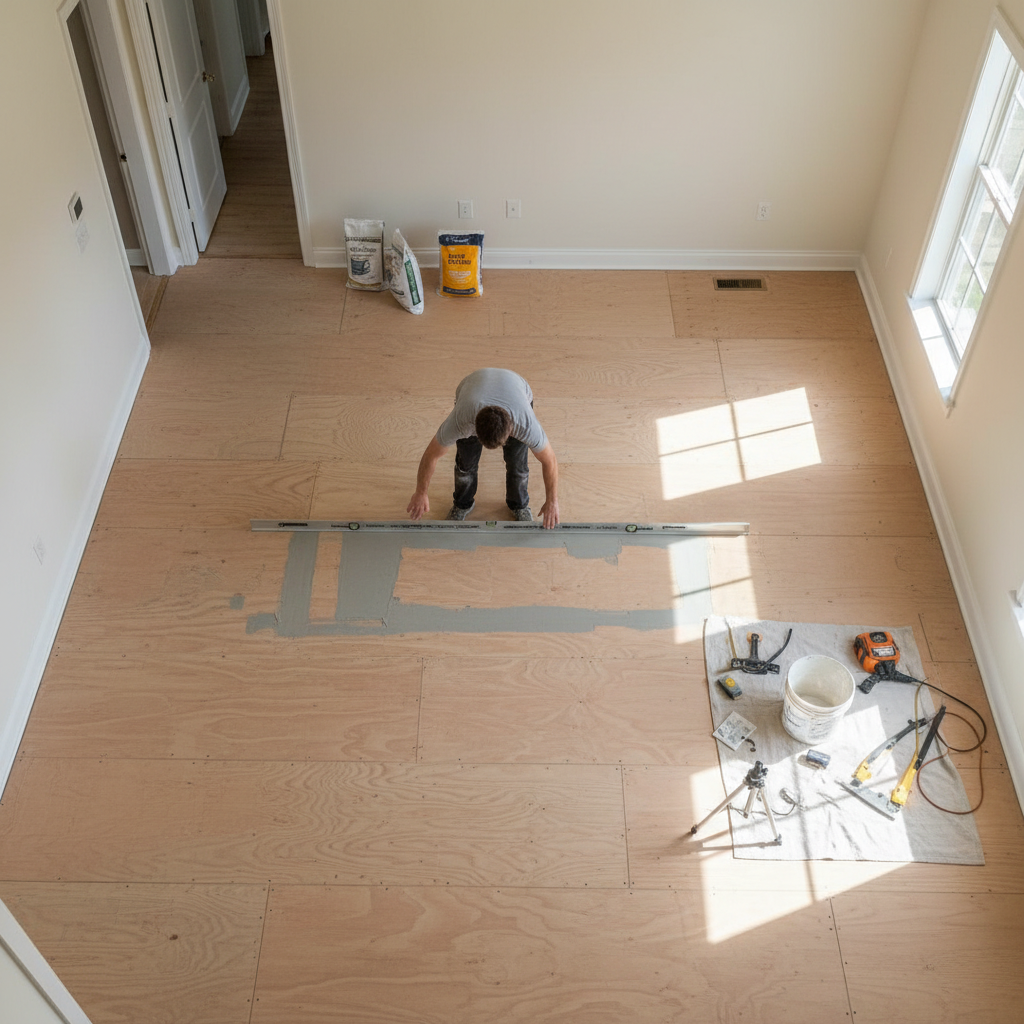
Securing a new floor is only the beginning. The foundational steps taken during the setup phase ultimately dictate how long does flooring last in your specific environment. A primary cause of early floor failure is the bypass of critical prep work. Our team utilizes precision preparation methods to address subfloor irregularities before the first piece of material is placed. If a subfloor is even slightly off-level, it places constant stress on the locking mechanisms of LVP or causes hollow spots in tile, leading to structural cracks within just a few years.
We also integrate high performance moisture barriers and specialized adhesives tailored for the arid climate of Millard County. These barriers protect against the seasonal ground moisture that can migrate through concrete slabs and compromise adhesive bonds. While DIY shortcuts might seem cost-effective initially, they often result in buckling or delamination by year five. Choosing professional installation and replacement ensures every layer is structurally sound, often adding ten to fifteen years of service life to your investment compared to unrefined methods. Reviewing our portfolio of local projects shows the difference that meticulous attention to detail makes in maintaining a flat, silent, and durable surface for the long term.
Understanding the expected lifespan of different materials helps you make a smart investment in your home. Whether you prioritize the longevity of stone or the versatility of luxury vinyl, proper maintenance is essential for keeping your floors in peak condition. If you want expert help navigating these options or planning your next renovation, you can learn more About our team and our commitment to quality service. We would love to help you find a flooring solution that stands the test of time.